

AI in Accounting Automation
| Start Date | End Date | Venue | Fees (US $) | ||
|---|---|---|---|---|---|
| AI in Accounting Automation | 20 Dec 2026 | 24 Dec 2026 | Bali, Indonesia | $ 4,950 | Register |

AI in Accounting Automation
| Start Date | End Date | Venue | Fees (US $) | |
|---|---|---|---|---|
| AI in Accounting Automation | 20 Dec 2026 | 24 Dec 2026 | Bali, Indonesia | $ 4,950 |
Introduction
Artificial Intelligence (AI) is transforming accounting functions by automating repetitive tasks, improving accuracy, reducing processing time, and enhancing financial decision-making. This course provides practical knowledge on how AI can be applied in accounting operations to increase efficiency and support digital transformation initiatives.
Objectives
By the end of this training program, participants will be able to:
• Understand the fundamentals of AI in accounting.
• Identify opportunities for automation within accounting processes.
• Improve efficiency in accounts payable and receivable activities.
• Enhance financial reporting and data analysis.
• Reduce errors through automated accounting solutions.
• Support digital transformation within finance departments.
Training Methodology
- Interactive presentations
- Practical examples and case studies
- Group discussions
- Hands-on exercises
- Real-life accounting scenarios
Who Should Attend?
- Accountants
- Senior Accountants
- Finance Managers
- Financial Controllers
- Internal Auditors
- Finance and Accounting Professionals
- Digital Transformation Teams
Course Outline
Module 1: Introduction to AI in Accounting
- Overview of AI and Automation
- The Future of Accounting
- Benefits of AI in Finance Functions
- Challenges and Opportunities
Module 2: Automating Accounting Processes
- Automation of Routine Accounting Tasks
- Invoice Processing and Management
- Accounts Payable Automation
- Accounts Receivable Automation
- Expense Management Solutions
Module 3: Financial Data Management
- Data Collection and Validation
- Improving Data Accuracy
- Managing Financial Information
- Real-Time Financial Visibility
Module 4: Financial Reporting and Analysis
- Automated Financial Reports
- Dashboard and Performance Monitoring
- Financial Data Analysis
- Supporting Management Decisions
Module 5: Internal Controls and Compliance
- Strengthening Internal Controls
- Error Detection and Prevention
- Compliance Monitoring
- Fraud Detection Concepts
Module 6: Implementing AI in Accounting
- Selecting Suitable Automation Tools
- Best Practices for Implementation
- Change Management Considerations
Future Trends in Accounting Automation
Accreditation


Related Courses
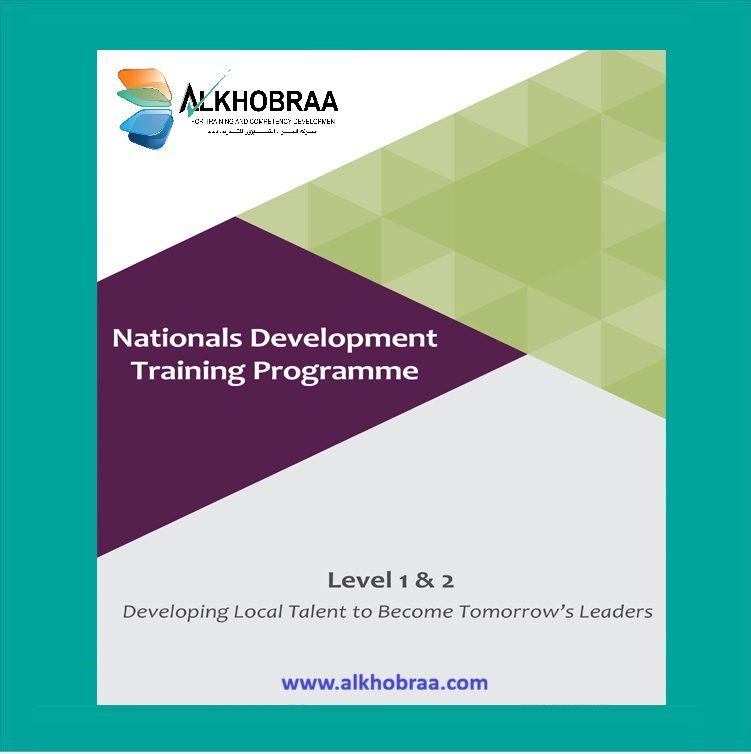
Nationals Development Training Program

Caproate Profile

2026 Training Plan

Laboratory Systems ISO17025 Consulting

Competency Solutions Brochure

Hotline: +966112994474
info@alkhobraa.com
Send to Colleague
Hotline: +966112994474
info@alkhobraa.com